-
Call us
+91-9173-101-671
-
Send us mail
Call us
+91-9173-101-671
Send us mail
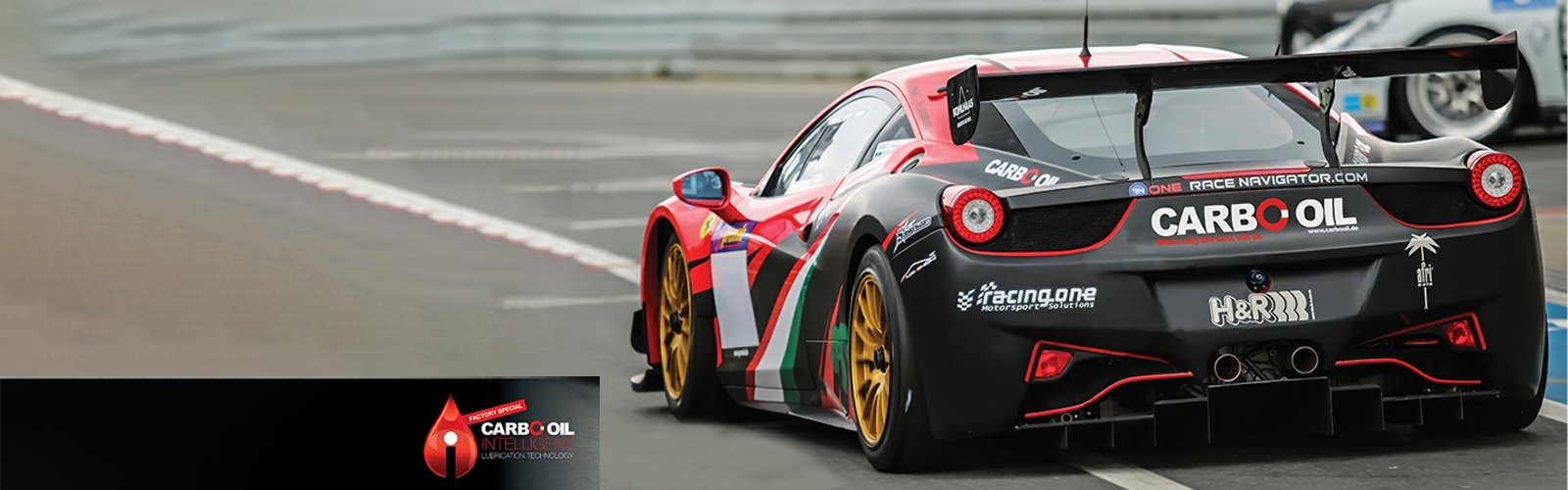

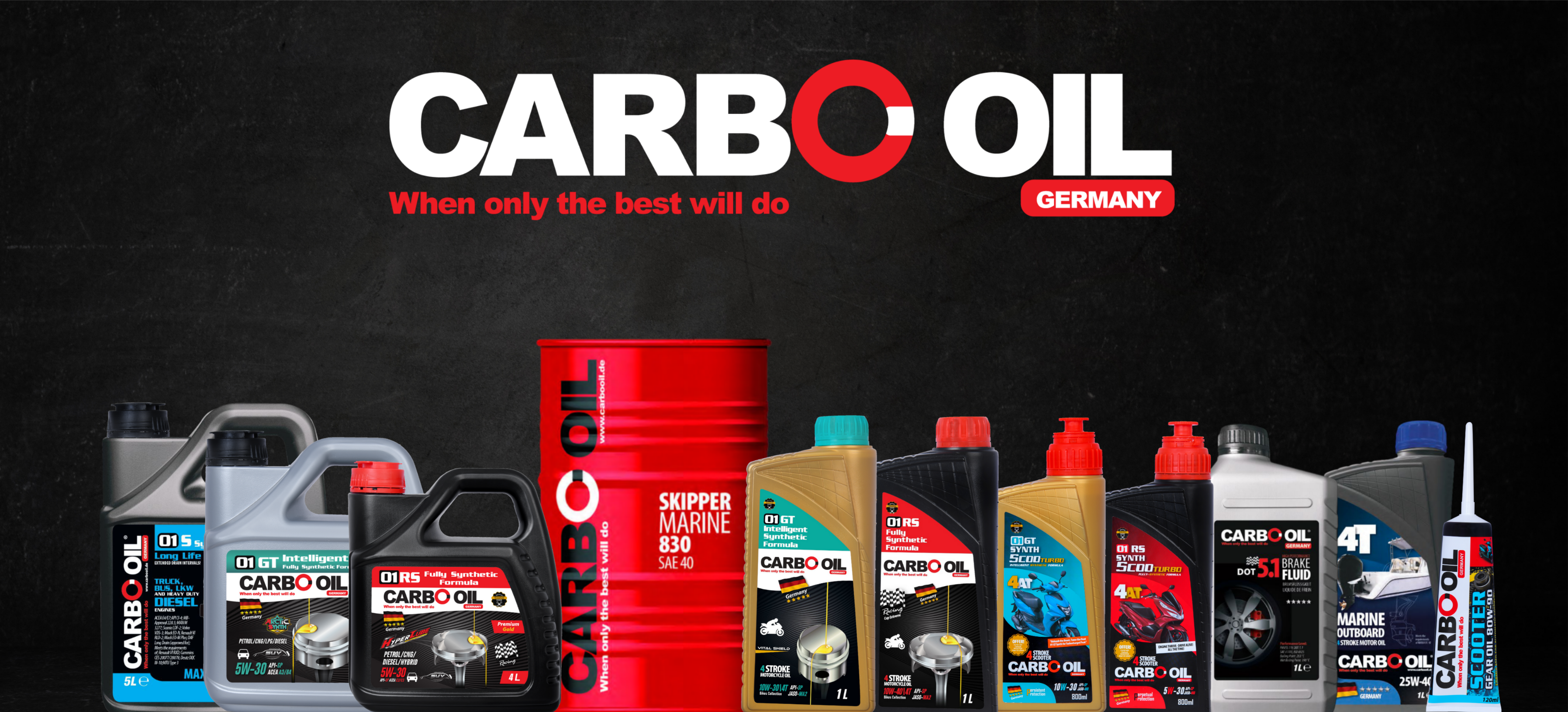
Carbo Oil takes pride in its commitment to German engineering standards, known worldwide for precision, innovation, and quality.
Carbo Oil specializes in crafting advanced lubricant formulations designed to meet the demands of high-performance engines.
Carbo Oil places a strong emphasis on quality control throughout the manufacturing process.
Our Range of Customized solutions ensures that your engine oil performs at its best , safeguarding against potential damage and enhancing overall vehicle longevity.Carbo Oil goes beyond the norms to guarantee optimal engine function.

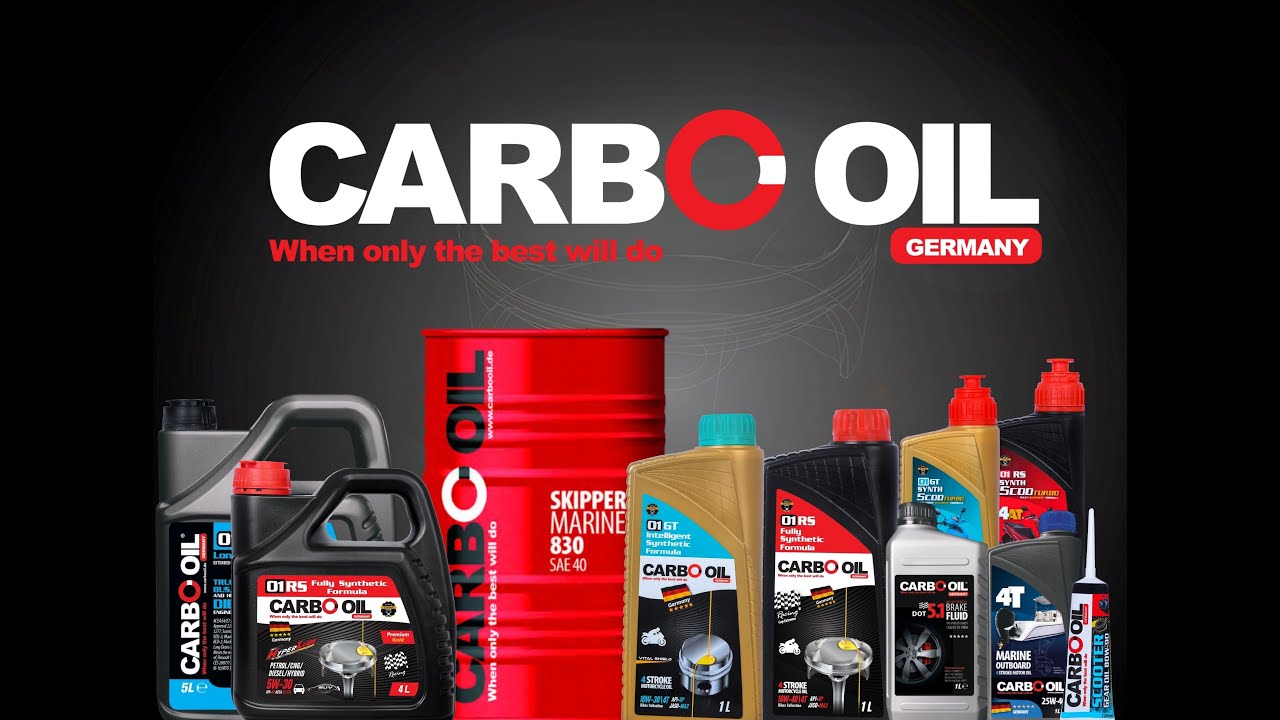
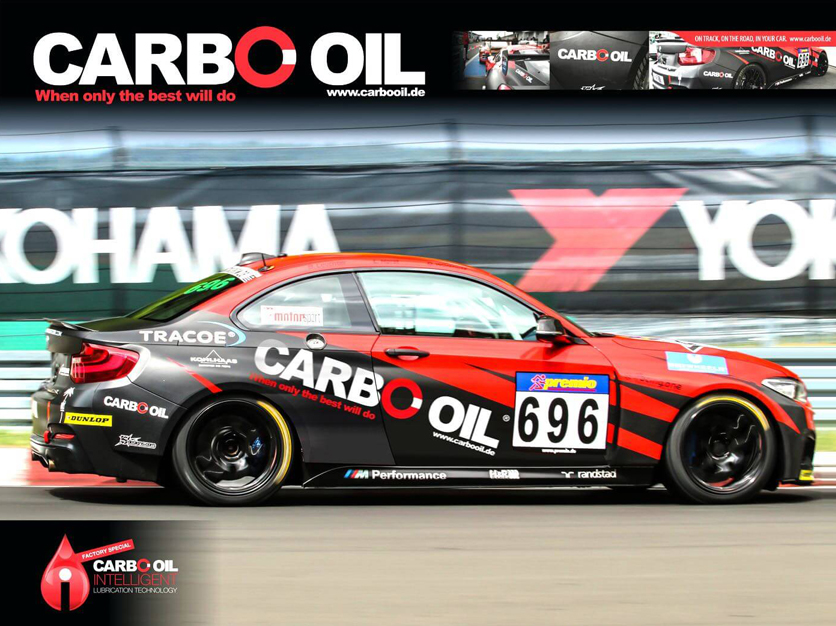
Carbo Oil - as a company has its origin as a German Company, with main office in Wiesemscheid am Nurburgring Germany , along with designs, research & development, as well as production. CARBO OIL has 25 years experience within the field of Performance Lubricants.
CARBO OIL with its proudly recognized Product Stewardship team along their passion and dedication inclined to develop & manufacture advanced lubricants covering all your needs with our Tech Lab established at Wiesemscheid, Schulstrasse 15 GERMANY, we are not only developing product on commercial sense but through our heart by keeping in mind minimum damages to Environment.
Who says rash driving spoiled engine, oil running in veins of engine is equally responsible.
Carbo Oil engage in a dynamic R&D process to stay ahead of industry trends and customer demands.
The company conduct extensive testing on its lubricants to validate their performance under various conditions.
Carbo Oil work closely with its customers to understand their specific lubrication needs.

Technical insights into German-engineered lubricants
Carbo Oil lubricants are engineered at our R&D center in Wiesemscheid, directly adjacent to the Nürburgring circuit. This allows us to test formulations under extreme thermal stress and mechanical loads that exceed standard industry tests — validated beyond 120°C oil temperatures under race conditions.
Yes. Our IQ Formula line uses Low-SAPS technology (Sulphated Ash below 0.8%, Phosphorus below 0.08%) to fully protect BS6 and Euro 6 emission systems including the Diesel Particulate Filter (DPF) and catalytic converter from ash poisoning.
Use JASO MA2 for manual motorcycles with a wet clutch (Royal Enfield, Bajaj Pulsar, KTM, Hero, Honda CB). Use JASO MB for automatic scooters with a dry clutch/CVT (Honda Activa, TVS Jupiter, Suzuki Access). Using MB oil in a wet-clutch bike causes clutch slip within 500–1,000 km.
Yes. Via parent company BSP Bremssystemprodukte GmbH, Carbo Oil holds OEM approvals from Mercedes-Benz (MB 229.51/52), Volkswagen Group (VW 504.00/507.00), and BMW (Longlife-04). These require passing independent engine durability and emissions tests at OEM laboratories.
Mineral oil is refined from crude petroleum and suits older, low-stress engines. Fully synthetic oil is chemically engineered for superior thermal stability, better cold-start protection, and longer drain intervals. Semi-synthetic blends both. For modern BS6 engines and performance motorcycles, Carbo Oil recommends fully synthetic formulations for maximum protection.
For mineral/semi-synthetic oils (API SL/SN): every 3,000–5,000 km or 3 months. For fully synthetic (API SP): every 7,000–10,000 km or 6 months. Indian riding conditions — stop-start traffic, dust, summer heat up to 45°C — accelerate oil degradation, so lean toward the lower end of these intervals.
No. Car engine oils (API SN/SP for passenger vehicles) contain friction modifiers that improve car fuel economy — but these modifiers will cause the wet clutch on your motorcycle to slip. Always use a JASO MA2-certified oil in manual motorcycles. Scooters with dry clutches (CVT) can use JASO MB oils, which are closer to car oil formulations.
In regions where temperatures exceed 40°C regularly (Rajasthan, Gujarat, Maharashtra, Tamil Nadu), choose a higher operating viscosity: 10W-40 or 10W-50 for motorcycles, 5W-40 or 10W-40 for cars. The second number (40, 50) indicates film thickness at 100°C — higher is better for hot-climate protection. Carbo Oil's 15W-50 RS grade is specifically formulated for Indian summer performance riding.
API SP (introduced May 2020) is the current highest petrol engine oil standard. It adds timing chain wear protection and LSPI (Low-Speed Pre-Ignition) prevention to the previous SN/SN Plus specs. All BS6 petrol vehicles manufactured after April 2020 benefit from API SP oil — it protects turbocharged direct-injection engines from premature combustion events that can shatter pistons.
A Diesel Particulate Filter (DPF) traps exhaust soot in BS6 diesel engines. Traditional engine oils with high ash content leave non-combustible metallic residue in the DPF that cannot be burned off — permanently clogging the filter. Replacement costs ₹50,000–₹2,00,000. Carbo Oil's Low-SAPS IQ Formula NF prevents this by limiting sulphated ash to below 0.8%.
Yes. Royal Enfield engines (Classic 350, Meteor 350, Himalayan, Bullet) require JASO MA2 certified oil. Carbo Oil's 4T Motorradöl RS 15W-50 is optimised for high-torque, single and twin-cylinder engines with wet clutch systems — the same architecture used across the Royal Enfield range. The 15W-50 grade provides excellent film strength at the high operating temperatures common in RE engines during Indian summers.
The first number (5W or 10W) is cold-start viscosity — lower flows better in cold mornings. The second number (30 or 40) is operating viscosity at 100°C — higher means thicker protection under heat. 5W-30 suits modern fuel-efficient cars in moderate climates; 10W-40 suits performance engines, motorcycles, and Indian summer conditions. Always check your owner's manual for the manufacturer-specified grade.
Yes. Carbo Oil manufactures engine oils specifically for outboard and inboard marine engines, formulated to resist water contamination and salt corrosion while maintaining viscosity stability in the high-humidity, variable-load conditions of marine environments. Available through authorised dealers. Contact sales@carbooil.in for marine product specifications.
For Mercedes-Benz vehicles, use an oil carrying the MB 229.51 (for older models) or MB 229.52 (for newer Euro 6 engines) approval. Carbo Oil products formulated to these specifications carry the approval code on the label data sheet. Using a non-approved oil can void your Mercedes-Benz warranty and damage the SCR after-treatment system.
Mixing engine oils from different brands is not recommended. Even if viscosity grades match, additive packages from different formulations can react and reduce the effectiveness of both. In an emergency, topping up with a compatible grade is acceptable for short-term use — but drain and refill with a single product at your next scheduled oil change. Never mix mineral and fully synthetic oils as a long-term practice.